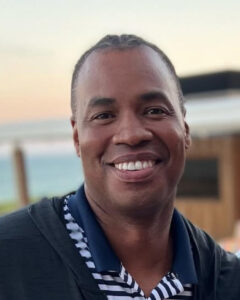
The basketball world is mourning the loss of Jason Collins, the former NBA center who made history as the first openly gay active player in one of America’s four major men’s professional sports leagues. Collins died at the age of 47 following a battle with glioblastoma, an aggressive form of brain cancer.
His family confirmed his passing through the NBA on Tuesday, sharing that Collins died after what they described as a courageous fight with the disease. Collins publicly revealed his brain cancer diagnosis in December 2025.
“We are heartbroken to share that Jason Collins, our beloved husband, son, brother, and uncle, has died after a valiant fight with glioblastoma,” his family said in a statement. “Jason changed lives in unexpected ways and was an inspiration to all who knew him and to those who admired him from afar.”
The family expressed gratitude for the love, prayers, and support they received during Collins’ final months, as well as the medical care provided by his doctors and nurses.
Jason Collins enjoyed a 13-year NBA career, playing for six teams after being selected 18th overall in the 2001 NBA Draft by the Houston Rockets before being traded to the then-New Jersey Nets. Known for his defensive ability, professionalism, and leadership, Collins became a respected teammate throughout the league.
During his time with the Nets, Collins helped the team reach consecutive NBA Finals appearances in 2002 and 2003. While he was never known as a high-scoring player, his impact came through his toughness, teamwork, and ability to contribute in important moments.
However, Collins’ greatest influence came beyond basketball.
In April 2013, Collins publicly came out as gay in a groundbreaking essay published by Sports Illustrated while he was still an active NBA player.
“I’m a 34-year-old NBA center. I’m black. And I’m gay,” Collins wrote, explaining that he hoped his decision would help begin an important conversation about acceptance and inclusion in professional sports.
His announcement became a historic moment for LGBTQ representation in athletics and inspired athletes, fans, and organizations around the world.
Following his announcement, Collins received widespread support from figures across sports, entertainment, and politics. Former President Barack Obama personally called Collins to offer encouragement, and Collins later attended the 2014 State of the Union address as a guest of First Lady Michelle Obama.
The NBA recognized Collins not only for breaking barriers but also for his character and contributions to the league. NBA Commissioner Adam Silver said Collins helped make basketball and the broader sports community more inclusive for future generations.
“Jason Collins’ impact and influence extended far beyond basketball,” Silver said, remembering him as a person who showed leadership, professionalism, kindness, and humanity throughout his life.
Born on December 2, 1978, in Los Angeles, California, Collins attended Harvard-Westlake School before playing college basketball at Stanford University alongside his twin brother, Jarron Collins, who also went on to play in the NBA.
After retiring from professional basketball in 2014, Collins continued his work as an LGBTQ advocate, public speaker, and activist. He remained committed to encouraging others to live openly and authentically.
During his battle with cancer, Collins continued sharing his journey and participating in events focused on sports and inclusion. He was named Outsports’ 2025 Male Hero of the Year for his courage in publicly discussing his health struggles.
Reflecting on his life after coming out publicly, Collins said he was grateful for the opportunity to tell his own story and inspire others.
“Your life is so much better when you just show up as your true self,” Collins wrote. “This is me. This is what I’m dealing with.”
Friends and fellow advocates remembered Collins as someone whose kindness matched his courage.
“Jason was simply the best,” said Anthony Nicodemo, a longtime LGBTQ sports advocate. “He made everyone feel welcomed and changed countless lives.”
Collins married film producer Brunson Green in May 2025. He is survived by his husband, his parents Paul and Portia Collins, his twin brother Jarron Collins, and extended family members.
Jason Collins leaves behind a legacy that extends far beyond basketball. He will be remembered as a talented athlete, a courageous trailblazer, and a person who used his platform to create greater acceptance and understanding in sports and society.
Heartfelt condolences are extended to the Collins family, friends, former teammates, and everyone inspired by his life and legacy.
May Jason Collins rest in peace. His impact and courage will never be forgotten.